Ponds to be created to improve wildlife habitats
Published: Wednesday 4 November 2026
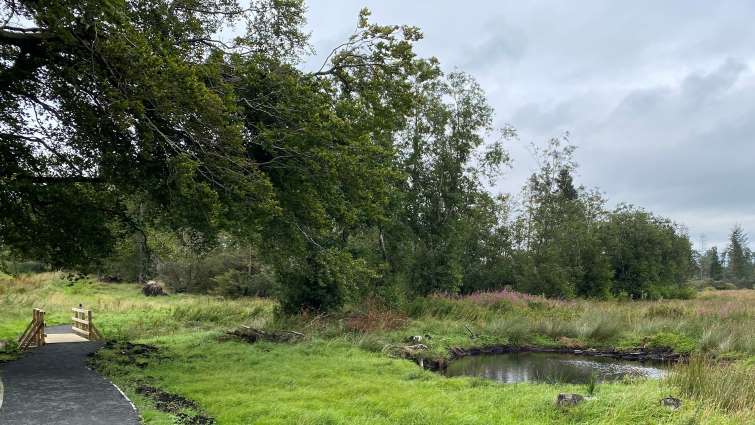
A total of 30 wildlife ponds are to be created across South Lanarkshire as part of an exciting Coalface to Wildspace programme.
Thanks to National Lottery Heritage Funding and environmental charity Froglife, the first stage of the three-year project will see the council’s Countryside and Greenspace Service creating 10 new ponds at its Langlands Moss site from November.
Councillor Norman Rae, the Chair of the council’s Climate and Sustainability Committee, said: “The Coalface to Wildspace project is a fantastic way to further enhance our area’s former mining sites by creating new and restoring existing freshwater and terrestrial habitats for amphibians, reptiles, and other wildlife.
“And as well as supporting wildlife, the project will also improve accessibility to our natural spaces and encourage everyone to engage with our local wildlife through volunteering and other activities and events.”
The other ponds that will be created and restored will take place at some of South Lanarkshire’s other Local Nature Reserves (LNR) - South Haugh, Low Parks, Westburn and Fernbrae Meadows.
LNRs are valuable places as they not only combine protection of our natural heritage whilst supporting our climate and biodiversity, but also offer opportunities for people to enjoy, learn about and experience nature close to their homes with the added bonus of promoting healthy lifestyle and mental wellbeing through regular outdoor exercise.
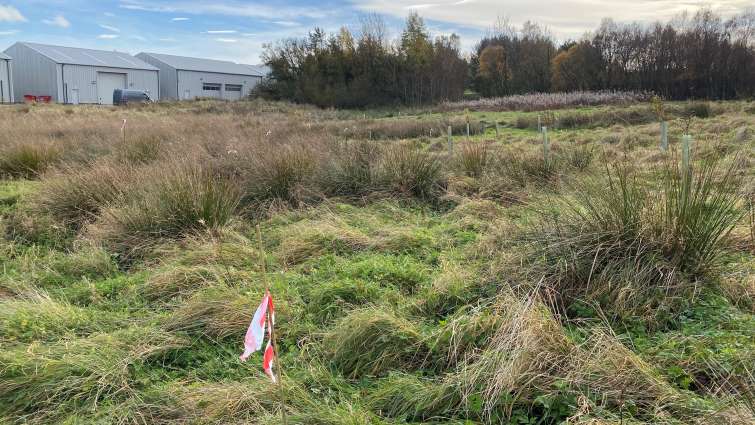
Joanna Birkin, the council’s Biodiversity Officer, said: “The Coalface to Wildspace project is a fantastic conservation and community engagement project which will restore and create habitats particularly for native amphibians and reptiles but will enhance our natural heritage overall.
“These projects will be undertaken in former industrial areas, improving the areas’ wildlife but also improving access so that local communities can access and enjoy the green areas right on their doorstep.”
Ponds are one of the UK's most important wildlife habitats, supporting at least two-thirds of Britain's freshwater plants and animals. They are particularly important for amphibians and reptiles, which depend on healthy freshwater and terrestrial habitats to survive. Across Europe, 59% of amphibian species and 42% of reptile species are experiencing population declines, with many threatened by habitat loss, fragmentation, disease and environmental pressures.


20 November 2026
Everyone asked for thoughts on local tree planting projects
20 November 2026
James Aiton scores highly with inspectors
19 November 2026
South Lanarkshire Works shares positive outcomes
19 November 2026
Gaelic language options in South Lanarkshire
18 November 2026
Film and TV website to focus on South Lanarkshire
17 November 2026
Roadworks to take place on A70
17 November 2026
Council looks to buy homes to rent
13 November 2026
Discovering the rewards of a customised care role
13 November 2026
School vision ensuring pupils learn to be the best they can be
12 November 2026
Ziggy welcomes new Junior Road Safety Officers